Electric vs. Traditional Mountain Bikes: Which Ride Fits Your Trail Goals?
The trail ahead splits: pedal or power?
As e-bike sales climb and land managers revise trail rules, choosing between electric and traditional mountain bikes matters more than ever.
We compare climbing speed, weight, cost, battery care, trail access, and environmental impact—then help you decide. Your ideal ride may surprise you.

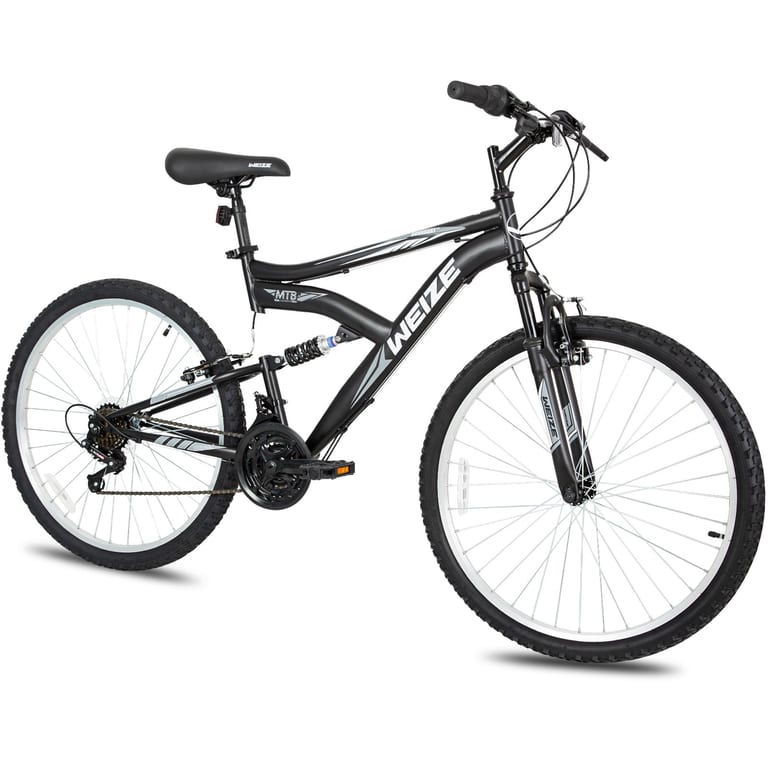
- Lightweight 16.5 inch aluminum mountain frame is the perfect bike for rides around your neighborhood or trails with 26-inch wheels fit riders 5′ 3″ – 5′ 8″ inches tall
- Bicycle is equipped with an alloy crank that delivers smooth gear changes, requiring minimal maintenance
- Mountain bike has twist shifters with a rear derailleur to make gear changes quick and easy
- Lightweight and sturdy alloy wheel and wide knobby mountain tires offer stability and balance to riders on all terrains and in all weather conditions
- Quick-release seat posts for easy adjustments, arrives 80% assembled, will need the following tool: Phillips head screwdriver, 2.5-8mm Allen wrenches, adjustable wrench, pliers with cable cutters

Last update on 2026-10-13 / Affiliate links / Images from Amazon Product Advertising API
Understanding the Two Bike Types
Electric mountain bikes (e-MTBs) and traditional mountain bikes may look similar, but they differ fundamentally in propulsion, weight, and ride feel. An e-MTB adds a motor and battery that assist your pedaling, while a traditional mountain bike runs entirely on human power.
That single difference shapes nearly everything else: how the bike climbs, how much it weighs, what it costs, and where you are allowed to ride it.
Trail access rules, land management policies, trail restrictions, maintenance needs, and the overall riding experience all flow from whether a motor is part of the equation.
Neither design is universally better. The right choice depends on your fitness, your local trails, your budget, and what you want out of a ride. Legal regulations, insurance, registration, and even a license may apply in some areas.
How Electric Mountain Bikes Work
An electric mountain bike (e-MTB) pairs a lithium-ion battery (typically 500 to 900 Wh) with a mid-drive motor that delivers up to 85 Nm of torque. Mid-drive units sit at the bottom bracket and drive the chain, keeping weight centered and letting the motor use the bike’s gearing.
Hub motor units, found on some entry-level models, power the wheel directly and feel less natural on technical terrain.
Battery capacity is measured in watt-hours, and it largely determines your battery range. A bigger battery means longer rides but more weight. Most battery packs recharge in two to six hours, depending on charger output and pack size.
Cold weather reduces usable capacity, and battery degradation slowly occurs over many charge cycles, shortening the pack’s lifespan.
Two sensor types govern how assistance feels. Motor drag and rolling resistance also affect the ride. A torque sensor measures how hard you push the pedals and scales motor power accordingly, creating smooth, natural power delivery.
A cadence sensor simply detects that you are pedaling and applies a set amount of help, which can feel abrupt and lacks the finesse of a torque sensor.
Pedal-assist classes define speed and throttle behavior.
Some models offer a walk assist feature for pushing uphill.
- Class 1 e-bike: pedal-assist only, up to 20 mph, the most widely accepted on mountain bike trails
- Class 2 e-bike: adds a throttle for throttle-assist, up to 20 mph, less common on singletrack
- Class 3 e-bike: pedal-assist up to 28 mph, often restricted from natural-surface trails
Most e-MTBs sold for trail riding are Class 1. A display or controller lets you switch pedal-assist modes—such as eco mode, boost, or turbo mode—and higher settings drain the battery faster.
Traditional Mountain Bike Basics
A traditional mountain bike relies on a human-powered drivetrain and typically weighs 20 to 30 pounds, compared to 45 to 55 pounds for an e-MTB. That weight gap is the defining trait.
A lighter bike accelerates faster, responds quicker to rider input, and is easier to lift over obstacles or load onto a rack.
Frame geometry and material play a big role in that weight and feel. Aluminum is durable and affordable, while carbon fiber is lighter and can be tuned for stiffness, though it costs more.
The suspension system splits into two camps: a hardtail has only a front fork, which is simpler and lighter, while a full-suspension bike adds a rear shock for more traction and comfort on rough descents. Fork travel and rear shock tuning affect how the bike handles.
The drivetrain is usually a 1×11 or 1×12 setup with a single front chainring, a derailleur, and a wide-range cassette. This keeps shifting simple and the chain secure.
Mechanical simplicity means fewer components to service, no battery to charge, and no motor to service.
Every watt of energy comes from your legs, so fitness level and rider skill become key factors, especially on steep climbs and long ascents. Riders who want workout intensity, a lighter feel, and lower long-term costs often prefer this route.
Performance on the Trail
On the trail, e-MTBs excel on climbs and technical ascents and offer climbing assistance, while traditional bikes offer a purer, lighter ride on descents and flowy singletrack.
The motor on an electric mountain bike flattens steep grades and lets you ride farther before fatigue sets in, boosting endurance and reducing heart rate spikes.
That same assistance adds weight, which changes weight distribution and how the bike corners, brakes, and jumps.
A traditional mountain bike rewards fitness and skill with quick handling, agility, and a lively feel underfoot.
Neither design wins everywhere. The right choice depends on whether you value assisted climbing and longer rides or lightweight agility and a direct connection to the trail.

- HARDTAIL MOUNTAIN BIKE: Get ready to explore new trails on the Flatrock by Mongoose. Featuring 26-inch wheels, this bike is perfect for riders from 5’4″ – 6’2″ tall. Roll over difficult terrain with ease.
- BORN IN DIRT: Lightweight yet durable with an aluminum mountain frame, this teens, womens and mens mountain bike is ready to explore off the bike path and keep up with adventurous riders.
- BUILT FOR ADVENTURE: This Mongoose mountain bike is ready to roll with knobby mountain tires for durable traction. The suspension fork absorbs bumps and uneven terrain, ensuring a smooth, controlled ride.
- SHIFT INTO GEAR: This 7-speed bike boasts twist shifters for smooth shifting and the right gear for your ride. Linear pull brakes provide reliable stopping power, giving riders control on rough terrain.
- KNOW YOUR ROOTS: As one of the OGs in BMX and action sports, Mongoose has helped bring this movement to the world. For over 50 years, we’ve been all about epic rides and pushing limits – and we’re just getting started.
Last update on 2026-10-13 / Affiliate links / Images from Amazon Product Advertising API
Climbing and Speed
A 250W mid-drive motor can help you climb a 15% grade at 8 mph with moderate effort, while the same climb on a traditional bike might require 300+ watts of wattage from the rider.
That gap in perceived exertion is the core appeal of pedal-assist for many riders.
On sustained ascents, an e-MTB can often hold 10 to 15 mph where a traditional bike settles into 4 to 6 mph. This speed and acceleration advantage comes at the cost of extra weight.
A 1,000-foot climb that takes 20 minutes on a traditional bike might take 12 minutes on an e-MTB, depending on rider fitness and assist level. Calorie burn and workout intensity differ accordingly.
Most electric mountain bikes sold today use Class 1 pedal-assist, which has a motor cut-off at the 20 mph speed limit. Class 1 bikes have no throttle, so they are pedal-only; the motor only helps while you pedal.
A torque sensor reads how hard you push and matches power delivery to your effort, which feels natural on technical terrain.
Battery capacity, measured in watt-hours, and motor torque determine how much climbing assistance you can get before running low. Higher torque helps on steep, loose pitches, while a larger battery extends battery range.
Charge time varies by charger and pack size, and carrying a spare or planning loops around charging infrastructure reduces range anxiety on long days.
Handling and Weight
At 50 pounds, an e-MTB carries 20 to 30 extra pounds, which affects cornering, braking, and jumping. Modern frame geometry and suspension, often with 150 to 170mm of fork travel, help mask that weight on descents.
Stability improves, but maneuverability suffers.
Direction changes feel slower, and braking distances grow, especially on long descents where brake fade can set in. Momentum and acceleration also feel different. For this reason, hydraulic brakes and disc brakes with larger rotors are common on e-MTBs.
On the plus side, the added mass presses the tires into the dirt, improving traction on technical climbs and loose, rocky sections. Tire width and tread pattern also matter.
Traditional mountain bikes typically weigh 25 to 30 pounds, and that lighter frame shines in tight singletrack, quick direction changes, and jumps. Control and maneuverability feel more immediate. A full-suspension trail bike in carbon fiber or aluminum feels playful in a way that most e-MTBs cannot match.
Environmental impact, carbon footprint, noise, stealth, community perception, trail etiquette, erosion, safety, and injury risk are also important considerations. Wheel size—29er or 27.5—also affects how the bike handles different terrain, whether cross-country, enduro, all-mountain, or downhill.
E-MTBs often run beefier tires in the 2.6 to 2.8-inch range, with reinforced frames, wider rims, and stiffer components to handle the extra load. A mullet setup, pairing a 29er front wheel with a 27.5 rear, is popular on e-MTBs for balancing rollover and agility.
Tire pressure and tubeless setups matter even more here, since the heavier bike needs firmer, more supportive rubber. A dropper post and tuned suspension help keep the ride composed when the trail points down.
Cost and Maintenance
E-MTBs cost significantly more upfront ($3,000-$12,000) than traditional mountain bikes ($1,500-$8,000) and add battery and motor maintenance costs. That gap shapes every ownership decision that follows.
Beyond the sticker price, an electric mountain bike carries ongoing expenses tied to its lithium-ion battery, mid-drive motor, and electronic display.
A traditional bike keeps things simple with mechanical parts that are cheaper to repair and replace.
Understanding both the short-term and long-term financial picture helps you choose a bike that fits your budget and riding habits.
The sections below break down purchase tiers, battery care, and five-year ownership costs.
Purchase Price and Battery Care
A quality e-MTB starts around $3,000 (e.g., Specialized Turbo Tero) and can exceed $12,000 (e.g., Santa Cruz Heckler), while a comparable traditional bike costs $1,500-$8,000.
Entry-level e-MTBs typically cost $3,000 to $5,000 and offer a mid-drive motor and a modest watt-hour battery.
Mid-range models run $5,000 to $8,000 and add better suspension, stronger brakes, and improved power delivery. High-end e-MTBs above $8,000 often feature carbon fiber frames, premium drivetrains, and larger batteries for extended range.
Battery care directly affects longevity. Charge to about 80% for daily use, store at roughly 50% for long periods, and avoid extreme temperatures that accelerate battery degradation.
Most lithium-ion packs last 500 to 1,000 charge cycles before battery replacement.
Replacement batteries typically cost $500 to $1,000 and are needed every two to four years depending on use. Cold weather performance and heat management also influence how quickly a pack loses capacity over time.
Long-Term Ownership Costs
Over five years, an e-MTB may cost $1,500-$2,500 more to own than a traditional bike, factoring in battery replacement, motor service, and higher insurance.
A typical e-MTB battery replacement runs around $800, and motor service runs about $200.
Consumables like brake pads and tires add roughly $500 over five years, while insurance can reach $300 annually.
Traditional bikes see lower recurring costs, with drivetrain wear near $300, suspension service around $200, and brake pads and tires near $400.
Warranty coverage matters here. Most e-MTB motors and batteries carry a two-year warranty, which can offset early failures but not long-term wear. Traditional frames and components often carry longer coverage.
Resale value also differs. E-MTBs tend to depreciate faster due to battery degradation and evolving motor technology, while traditional mountain bikes hold value more steadily.
Weighing these factors helps you plan a realistic budget before buying.
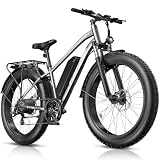
- 1000W Peak Strong Motor: Funhang electric bike features a powerful 500W motor with 66.6 N·m of torque and a top speed of 20mph. Equipped with 26″ x 4.0″ anti-skid fat tires, Funhang electric bike for adults is designed to easily handle all terrains like city, beach, snow, sand, mountain, and gravel roads, providing excellent grip and stability for a smooth ride.
- 48V 13Ah Removable Battery: This fat tire electric bike is equipped with a 48V 13AH large capacity li-ion battery, helping riders to get an impressive range of 30-35miles in pure electric mode and 55-60miles in PAS mode. Please note that the riding range will vary depending on your riding style, weight and road conditions. The battery is IPX5 waterproof and BMS protected, and can be charged on/ off the ebike, the charging time is about 6.5 hours.
- Rear Cargo Rack & Lighting System: The electric bicycle comes with a sturdy and durable rear rack that can carry up to 60 pounds, effectively reducing the burden of carrying heavy loads. It is a great option for everyday shopping and delivery. The ebike is also equipped with a headlight and taillight/turn signal to enhance visibility during nighttime and improve your safety while riding at night.
- High-Configuration Electric Bike: The front suspension fork and soft saddle are designed to effectively reduce impact from bumps. Funhang electric mountain bike features a professional 7-speed gearing system that allows you to adjust between 7 different gears for a comfortable riding experience. The LCD display shows your riding speed, battery level, pedal assist levels, mileage and more, making it easy for you to track your riding data. Dual 180mm disc brakes ensure riding safety.
- Personalized Riding Modes: The adult electric bike offers riders 5 working modes and 5 pedal assist levels. Pure Electric Mode, Assisted Bicycle Mode, Normal Bike Mode, Cruise Mode and Booster Mode. It allows riders to choose the preferred cycling style, switching seamlessly between speed and comfort. This ebike for adults is ready for all your outdoor activities, park workouts, daily commutes, outdoor camping and off-road adventures.
Last update on 2026-10-13 / Affiliate links / Images from Amazon Product Advertising API
Access, Rules, and Environment
Trail access for e-MTBs varies widely: some land managers allow Class 1 e-MTBs on non-motorized trails, while others ban all e-bikes. The result is a patchwork of rules that can change from one trail system to the next, sometimes within the same state.
Federal agencies handle this differently. The U.S. Forest Service generally leaves decisions to local district managers, while the Bureau of Land Management and the National Park Service follow their own policies. Local parks and municipal trail networks add another layer of rules.
Environmental concerns also shape access. Land managers weigh erosion, wildlife disturbance, and user conflict when deciding whether to permit pedal-assist bikes.
Riders who follow etiquette and respect closures help keep trails open for everyone.
Trail Regulations and Etiquette
In the U.S., Class 1 e-MTBs are allowed on many trails where traditional bikes are permitted, but Class 2 and 3 are often restricted to motorized routes.
Class 1 bikes provide pedal-assist only, with no throttle and a top assisted speed of 20 mph, which is why they receive the broadest access.
The National Park Service generally allows Class 1 e-bikes on paved trails and roads where traditional bicycles are allowed, but not necessarily on dirt singletrack.
The U.S. Forest Service defers to local managers, so a trail in one national forest may permit e-MTBs while a neighboring forest does not.
Always check the specific land manager’s website before you ride.
Some well-known trail systems have opened to Class 1 e-MTBs, while others remain closed.
Moab’s motorized and mixed-use routes welcome pedal-assist bikes, and Crested Butte has gradually expanded e-MTB access on select trails.
Meanwhile, federal law keeps some iconic backcountry routes in wilderness areas off-limits to all motorized and electric assistance.
Etiquette matters as much as regulations.
Follow these basics:
- Yield to non-motorized users, including hikers, equestrians, and traditional mountain bikers
- Avoid using a throttle on singletrack, even if your bike has one
- Respect seasonal and wildlife closures without exception
- Slow down and announce your presence on blind corners
- Stay on designated trails to limit erosion and habitat damage
Riding responsibly protects access for the entire e-MTB community.
A single bad encounter can fuel opposition that leads to new bans.
Fitness and Environmental Impact
A study by the University of Colorado found that e-MTB riders get 94% of the cardiovascular benefit of traditional riders, but cover 50% more distance in the same time.
That means pedal-assist still delivers a real workout, with heart rate often elevated to a moderate-to-vigorous zone.
Calorie burn per hour may be slightly lower on an e-MTB, since the motor shares the workload. However, riders often ride longer and climb more, which can offset that difference over a full session. For riders returning from injury or building fitness, pedal-assist can make trail riding accessible again.
Environmental impact is more nuanced than it first appears. E-MTBs are heavier and produce more torque, which can increase wear on soft or wet trails.
Yet research suggests the difference in erosion is minimal when bikes are ridden responsibly, in dry conditions, and on durable surfaces.
The battery adds another dimension. Lithium-ion production carries a carbon footprint, and battery replacement adds to long-term cost.
Still, if an e-MTB replaces car trips for commuting or shuttle runs, the net environmental picture can improve. Weigh these tradeoffs against how and where you actually plan to ride.

- 【𝟭𝟱𝟬𝟬𝗪 𝗣𝗲𝗮𝗸 𝗠𝗼𝘁𝗼𝗿 & 𝗙𝗮𝘀𝘁 𝗔𝗰𝗰𝗲𝗹𝗲𝗿𝗮𝘁𝗶𝗼𝗻】Powered by a 𝟭𝟱𝟬𝟬𝗪 peak motor delivering 𝟴𝟬 𝗡·𝗺 of torque, this ebikes for adults reaches 𝟮𝟮 𝗠𝗣𝗛 and handles steep neighborhood hills with ease.
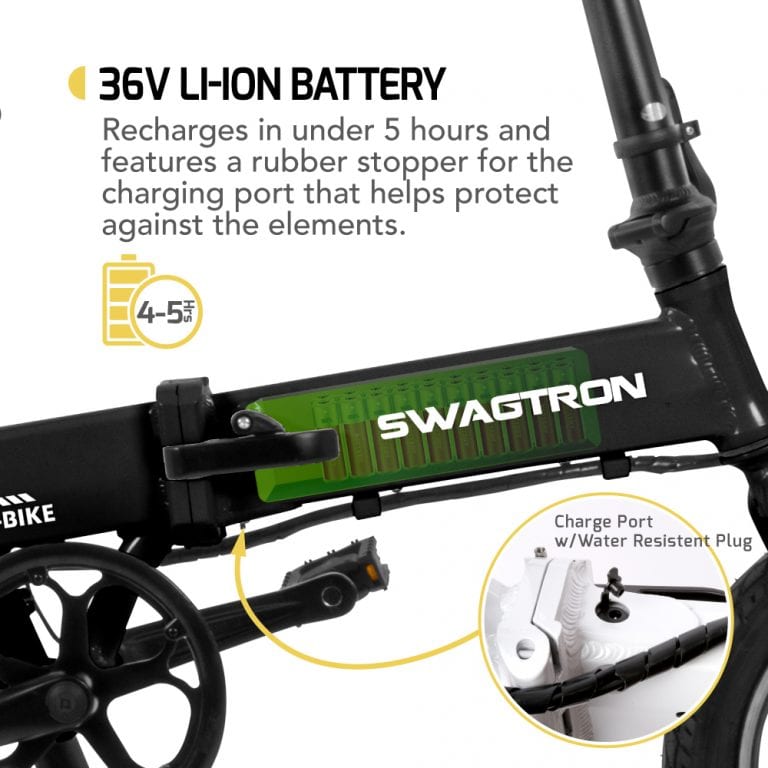
- 【𝟴𝟬 𝗠𝗶𝗹𝗲 𝗥𝗮𝗻𝗴𝗲 & 𝟰-𝟱 𝗛𝗿 𝗙𝗮𝘀𝘁 𝗖𝗵𝗮𝗿𝗴𝗶𝗻𝗴】Ride farther with a 𝟯𝟲𝗩 𝟭𝟱𝗔𝗵 lithium battery offering up to 𝟴𝟬 𝗠𝗶𝗹𝗲s of range. Our ebike is equipped with cutting-edge BMS 3.0 smart protection to help prevent overcharging, while the 4-5 hour full charge keeps your daily commute and long rides moving.
- 【𝗦𝗺𝗮𝗿𝘁 𝗔𝗽𝗽 𝗞𝗲𝘆𝗹𝗲𝘀𝘀 𝗘𝗻𝘁𝗿𝘆 & 𝗨𝗦𝗕 𝗰𝗵𝗮𝗿𝗴𝗶𝗻𝗴 𝗣𝗼𝗿𝘁】Enjoy extra convenience with our smart App for enhanced bike management and settings. The clear G51 LCD display provides real-time tracking of your speed, mileage, and battery, while the built-in USB port keeps your phone charged on every ride.
- 【𝗣𝗿𝗲𝗺𝗶𝘂𝗺 𝗗𝗲𝘀𝗶𝗴𝗻 & 𝟲-𝗦𝘁𝗮𝗴𝗲 𝗖𝗼𝗺𝗳𝗼𝗿𝘁 𝗦𝘂𝘀𝗽𝗲𝗻𝘀𝗶𝗼𝗻】Crafted with a sleek, lightweight frame, narrow pneumatic tires, premium matte finish, and refined welds, this commuter eBike delivers a sophisticated, high-end look and solid, premium feel. With 6-stage suspension system (𝟮 𝗳𝗿𝗼𝗻𝘁 𝗳𝗼𝗿𝗸 𝗮𝗯𝘀𝗼𝗿𝗯𝗲𝗿𝘀+ 2 seat springs+2 pneumatic tires), it smooths out potholes and gravel during trail riding or off-road cycling.
- 【𝗨𝗟-𝗖𝗲𝗿𝘁𝗶𝗳𝗶𝗲𝗱 𝗦𝗮𝗳𝗲𝘁𝘆 & 𝗥𝗲𝗹𝗶𝗮𝗯𝗹𝗲 𝗣𝗿𝗼𝘁𝗲𝗰𝘁𝗶𝗼𝗻】 Safety certified to ANSI/CAN/UL 2849 by SGS (for the whole ebike) . Safety certified to ANSI/CAN/UL 2271 by SGS (for Li-ion battery). Built rigorously for the rugged demands of daily commuting, it delivers total fire safety and structural reliability so you can ride with absolute peace of mind.
Last update on 2026-10-13 / Affiliate links / Images from Amazon Product Advertising API
Making Your Decision
Your choice between an e-MTB and a traditional mountain bike hinges on your fitness goals, local trail access, and budget. An electric mountain bike shines on assisted climbing, longer rides, and accessibility for riders who need support.
A traditional mountain bike rewards fitness, simplicity, and a lower overall cost.
Neither option is universally better. The right pick depends on how you ride, where you ride, and what you want from the experience.
Weigh these factors honestly before you commit. The next two sections break down who each bike suits best and the questions that clarify your decision.
Who Each Bike Suits Best
An e-MTB is ideal for riders who want to conquer steep climbs, keep up with faster friends, or return to riding after injury, while a traditional bike suits those seeking a pure fitness challenge and lower cost. Consider two typical profiles.
The first is a 55-year-old rider with knee issues who wants to explore technical terrain without extreme fitness demands. A pedal-assist system with a torque sensor smooths out punishing ascents, letting them enjoy the descent and the adventure.
They value fun, exploration, and staying on the bike longer.
The second is a 25-year-old racer who is fit, enjoys the suffering of a hard climb, and wants simplicity. A traditional mountain bike gives them a lighter frame, fewer components to maintain, and a lower price tag.
They measure progress in heart rate and calorie burn, not motor output.
Of course, these are extremes. Many riders fall somewhere between, wanting some assistance on big days but still craving a genuine workout.
The key is matching the bike to your body, your goals, and your trails.
Key Questions to Ask Yourself
Before buying, answer: Can I afford a $3,000+ e-MTB and a potential $800 battery replacement?
Are e-MTBs allowed on my local trails?
Do I want assistance or a pure workout? Work through the list below and note your honest answers.
- What is my budget? If a few thousand dollars is comfortable, an e-MTB is within reach. If cost is tight, a traditional bike delivers more value per dollar.
- Are e-MTBs legal on my trails? Check local land management rules. Class 1 pedal-assist bikes are permitted in many places, but some singletrack bans motors entirely.
- Do I have access to storage and charging? A lithium-ion battery needs a safe, dry place to charge. No outlet means no e-MTB.
- Am I willing to maintain a motor and battery? Expect extra care around the motor, drivetrain, and charge cycles. Traditional bikes are simpler to service.
- Do I prioritize fitness or fun? Choose a traditional bike for a pure workout. Choose an e-MTB if you want to ride more trails with less strain.
- Will I ride often enough to justify the cost? Frequent riders get more from the investment. Occasional riders may not offset the higher price.
- Do I need to keep up with others? If friends ride faster or farther, pedal-assist helps you stay in the group. Solo riders have more freedom here.
Answer these honestly, and your decision becomes clear.
The bike that fits your life beats the one that only looks good on paper.
Action Steps
- Evaluate your primary riding goals: fitness, recreation, or adventure.
- Determine your budget and factor in potential future maintenance costs.
- Test ride both electric and traditional bikes to understand the difference in feel.
- Research trails in your area and consider the terrain you will encounter.
- Consult with local biking communities for insights and recommendations.
- Create a list of key features important to you (weight, gear types, battery life).
- Check local laws and regulations regarding electric bikes, as they vary by location.
- Read reviews and consumer feedback on models you’re considering.
- Decide whether to buy new or consider pre-owned options.
- Make your purchase and start planning your first adventure on your new bike!

- Powerful 1500W Peak Motor: The EB3S electric bike is powered by a 1500W peak brushless motor delivering 80N·m of torque, boosted a top speed of 20 MPH. Powerful instant acceleration and reliable performance for daiy commutes, city rides or casual weekend leisure trips
- 540Wh Removable Large Battery: This ebike features a 15Ah removable battery providing up to 80 miles with pedal‑assist. The removable battery is safe and anti-theft, so you can charge it at home or outdoors without worry, 5-6 hours fast charging keeps you ready for daily rides
- Upgraded Display & USB Charging Port: The upgraded smart LCD Display provides ebike riding data support, such as real-time speed, riding mode, mileage and remaining power. The built-in USB port supports on-the-go phone charging, ideal for long commutes and outdoor camping trip
- Riding Comfortably and Safely: The electric mountain bike built with 26″ puncture‑resistant tires are for greater durability. A high-strength front fork suspension, 7-speed gears, smart display, dual lights, front and rear mechanical disc brakes can bring your riding more comfort, make your e-bike tackle complex terrains and keep you safe
- 5 Riding Modes & 7-speed Transmission: This e bike for adults is combined with 5 riding modes (pure electric, pedal assist, cruise, pedal only, and walk assist modes), 7-speed Shimano smooth shifting gear and shock absorption deliver a more controlled, comfortable ride across varied terrain
Last update on 2026-10-13 / Affiliate links / Images from Amazon Product Advertising API
Our Conclusion
The decision between an electric mountain bike and a traditional mountain bike boils down to personal preference, riding style, and fitness level.
Traditional bikes offer simplicity, responsiveness, and an excellent workout, making them perfect for those who thrive on physical challenges.
On the other hand, e-MTBs provide additional support and a more inclusive experience for riders of all skill levels. By considering factors such as terrain, budget, and performance needs, you can choose the bike that best suits your lifestyle.
Both options have their unique benefits and delightfully enhance the biking experience.
Take this information, test a few bikes, and embark on the exhilarating journey ahead!
Frequently Asked Questions
What is the fundamental difference between an electric mountain bike and a traditional mountain bike?
The core difference is propulsion. A traditional mountain bike relies entirely on your legs to turn the pedals and move the bike forward, while an electric mountain bike (e-MTB) adds a motor and battery that assist your pedaling, giving you extra power on climbs and technical terrain. Some e-MTBs also use regenerative braking to recover energy on descents, though this feature is more common on commuter e-bikes than on trail-focused models. When weighing Electric vs. Traditional Mountain Bikes: Which One is Right for You?, the key question is whether you want that assist to extend your range and reduce fatigue, or prefer the pure, self-powered challenge of a conventional bike.
Are electric mountain bikes allowed on the same trails as traditional mountain bikes?
Not always, and this is one of the most important practical factors in the Electric vs. Traditional Mountain Bikes: Which One is Right for You? decision. Many trail systems classify e-MTBs separately, and rules vary by country, state, and even individual land manager. Class 1 e-MTBs (pedal-assist only, no throttle, capped at 20 mph) are permitted in more places than Class 2 or Class 3 models, but some wilderness areas and certain singletrack networks still ban all motors. Always check local regulations before buying, because a traditional mountain bike generally has unrestricted access to nearly every trail.
Which type is better for climbing steep hills and long ascents?
Electric mountain bikes have a clear advantage on steep, sustained climbs because the motor multiplies your pedaling effort, letting you conquer gradients that would exhaust you on a traditional bike. This makes e-MTBs appealing for riders who want to reach the top fresh enough to enjoy the descent, or for those returning to the sport after injury or a long break. That said, a traditional mountain bike rewards fitness and skill development, and many purists argue the sense of accomplishment from a self-powered climb is unmatched. Your answer to Electric vs. Traditional Mountain Bikes: Which One is Right for You? often hinges on whether climbing is a hurdle to overcome or a challenge you enjoy.
How do the costs and maintenance requirements compare?
Electric mountain bikes carry a significantly higher upfront price, typically ranging from about $2,500 to well over $10,000, compared to $800 to $5,000 for a quality traditional mountain bike. They also add maintenance considerations: batteries degrade over time and eventually need replacement (often $500-$1,000), and motor service may require a specialist. Traditional bikes are simpler, cheaper to maintain, and easier to repair on the trail. If budget and long-term simplicity matter most, a traditional bike may win; if performance and assist justify the cost, an e-MTB could be worth it.
Do electric mountain bikes still provide a good workout?
Yes, but the intensity depends on the assist level you choose. Studies suggest e-MTB riders often get comparable cardiovascular exercise to traditional riders because they ride farther and climb more in the same session, even though the motor reduces peak effort per pedal stroke. However, if your goal is maximum physical exertion and training load, a traditional mountain bike delivers a harder workout by default. This is a central trade-off in Electric vs. Traditional Mountain Bikes: Which One is Right for You? E-MTBs let you tailor the effort, while traditional bikes demand it all.
Who should choose an electric mountain bike, and who should stick with a traditional one?
An electric mountain bike is a great fit if you want to ride longer distances, keep up with faster friends, tackle big elevation without extreme fitness, commute or run errands on trails, or manage a physical limitation. A traditional mountain bike is the better choice if you value simplicity, lower cost, lighter weight, easy transport and storage, unrestricted trail access, and the pure challenge of human-powered riding. Ultimately, answering Electric vs. Traditional Mountain Bikes: Which One is Right for You? comes down to your priorities—assistance and range versus simplicity and self-reliance.