
What is the Most Common Injury in Mountain Biking? Staying Safe on the Trails
If you love mountain biking or are thinking about trying it, you probably wonder about the risks involved.
Knowing the most common injuries in mountain biking can help you stay safe and enjoy your rides more.
Imagine avoiding that painful fall or tough recovery simply by understanding what to watch out for.
You’ll discover the most common injury and learn how to protect yourself. Keep reading—your next ride could depend on it.

- Low-profile neoprene cuff with hook and loop closure system for a premium, customizable fit
- Absorbent micro-suede thumb
- Conductive threads at index finger and thumb for touch screen compatibility
- Sizing: Refer to the size guide to ensure the best fit.
Last update on 2026-10-24 / Affiliate links / Images from Amazon Product Advertising API

Credit: magicshine.com
Common Injuries In Mountain Biking
Mountain biking is a thrilling sport enjoyed worldwide. Yet, it comes with risks. Injuries can happen even to the most careful riders. Knowing the common injuries helps riders stay safe and prepared.
Many injuries result from falls or collisions. Some are minor, while others need medical attention. Understanding these injuries helps in quick response and proper care.
Types Of Injuries Riders Face
Cuts and scrapes are the most frequent. These happen from falls on rough trails. Bruises and muscle strains also occur often. They cause pain but usually heal fast.
More serious injuries include fractures and sprains. Wrist and collarbone fractures are common. These happen when riders fall and land on their arms.
Head injuries can occur without a helmet. Wearing protective gear reduces these risks.
Frequency Of Each Injury
Skin injuries, such as cuts, occur in about 40% of crashes. Bruises and strains appear in roughly 30% of cases. Broken bones occur in nearly 20% of accidents. Head injuries make up around 10% but are the most dangerous.
Wrist fractures are the most common broken bones in mountain biking.
Collarbone breaks follow closely. Sprains mainly affect ankles and knees.
Knowing these numbers helps riders focus on protection.
Credit: www.csog.net
The Most Common Injury
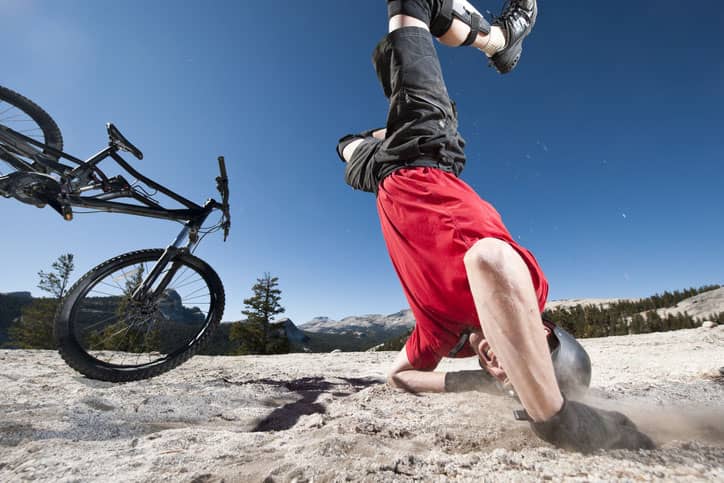
Mountain biking is an exciting sport, but it comes with risks. Injuries are common, especially for beginners. The most common injury in mountain biking is a wrist fracture.
This injury happens because riders often fall forward and try to catch themselves with their hands.
Why It Happens
Riders fall on rough trails with rocks and roots. When they lose balance, their first reaction is to put out their hands. This puts a lot of pressure on the wrists.
The force can cause small or large cracks in the wrist bones. Wearing gloves or wrist guards can help, but they do not always stop the injury.
Symptoms And Severity
A wrist fracture causes pain and swelling. Moving the wrist becomes hard and painful. Bruises may appear around the wrist and hand.
Some fractures are minor and heal with rest. Others need medical care or even surgery. Quick treatment helps prevent long-term problems.
Risk Factors Increasing Injuries
Mountain biking is exciting but comes with injury risks. Some factors raise the chance of getting hurt. Knowing these helps riders stay safer.
Risk factors vary from trail types to gear quality. Each can affect the likelihood of injuries occurring.
Trail Conditions And Terrain
Trails with rocks, roots, and steep slopes are tougher. Wet or muddy paths make it hard to control the bike. Loose gravel or sand can cause slips.
Sharp turns and sudden drops increase fall risks. Rough or poorly maintained trails challenge rider balance.
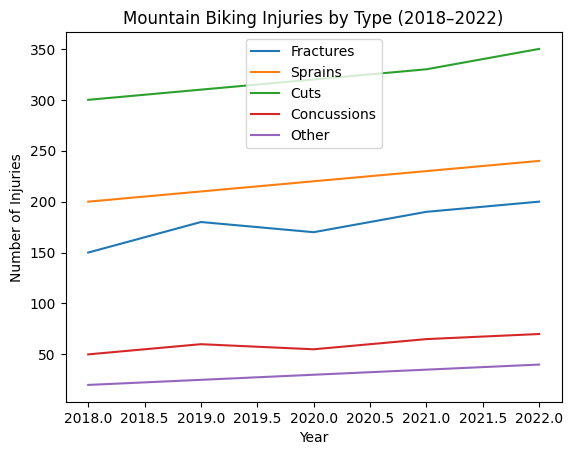
A few trends jump out immediately:
- Cuts are consistently the most common injury and are steadily rising.
- Sprains and fractures show gradual upward trends overall.
- Concussions and “Other” injuries are lower in volume but also trending upward.
- There’s a slight dip in fractures and concussions in 2020, which could suggest reduced riding activity that year.
Rider Skill And Experience
Beginners often lack control and quick reactions. Inexperience can lead to poor judgment of obstacles. Skilled riders handle tricky parts and speed better.
Riding beyond skill level invites accidents. Confidence without skill can sometimes lead to risky moves.

- 【Palm Width】XS (6.5-7.5CM/2.5-3IN),S (7.5-8CM/3-3.1IN), M (8-9.5CM/3.1-3.7IN), L (9.5-10CM/3.7-3.9IN),XL(10-12CM/3.9-4.7IN),please measure in advance before making a purchase based on the size chart
- 【Comfort Gel Padded Palm】 ROCKBROS bike gloves design shock-absorption gel to reduce riding pain effectively, ensuring a more enjoyable ride. These bike gloves are also lightweight and comfortable, making them ideal for mountain road biking
- 【Breathable】 Made of polyester, breathable mesh in the back and small holes on the front of the cycling gloves that you can feel cooling from your hands. Breathable and not stuffy, very suitable for cycling
- 【Sensitive Touch Screen Fingers】 Designed with touchscreen-friendly fingers, ROCKBROS cycling gloves allow you to use smartphones without removing them. Answer calls or respond to messages effortlessly
- 【Multi-Purpose Cycling Gloves】Cycling gloves unisex design with quick-adjust hook/loop closure and breathable stretch fabric for all-season comfort, ideal for MTB, hiking, and outdoor work while reducing hand fatigue
Last update on 2026-09-19 / Affiliate links / Images from Amazon Product Advertising API
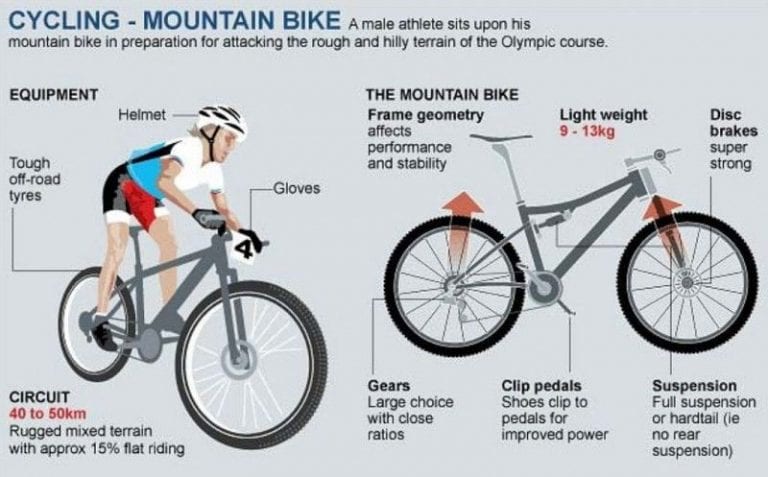
Equipment And Safety Gear
Worn tires reduce grip on slippery surfaces. Poor brakes delay stopping, causing crashes. A helmet greatly reduces the risk of head injury.
Gloves protect hands from scrapes and improve grip. Proper gear minimizes harm during falls or collisions.
Preventing Injuries On The Trail
Preventing injuries on the trail is key to enjoying mountain biking safely. Knowing how to protect yourself helps reduce common accidents. Being prepared keeps your rides fun and pain-free.
Proper Training Techniques
Training your body builds strength and balance. Start with basic exercises to improve endurance. Practice skills like braking and cornering on easy trails.
Gradually increase the difficulty to avoid strain. Stretch before and after rides to prevent muscle tightness.
Essential Protective Gear
Wearing the right gear protects your body from falls. Always wear a helmet that fits well. Use gloves to protect your hands from scrapes.
Knee and elbow pads shield joints from impact. Bright clothing helps others see you on trails.
Trail Awareness And Preparation
Know the trail before you ride it. Check weather conditions and trail difficulty. Carry a first aid kit and water with you.
Ride within your skill level to avoid crashes. Stay alert to rocks, roots, and other obstacles.
Treatment And Recovery
Treatment and recovery are key after a mountain biking injury. Acting fast helps reduce pain and speed healing. Knowing the right steps supports a smooth recovery.
Here is how to handle common trail injuries.
Immediate First Aid Steps
Stop riding and find a safe spot. Check the injured area for cuts, swelling, or bruises. Clean any wounds with water to avoid infection. Use ice packs to lower swelling and numb pain. Wrap the injury with a bandage, but not too tightly. Rest the injured part to prevent more damage.

- Neck brace compatible
- Neoprene shoulder padding
- Integrated waist closure system
- Exceeds EN14021 safety standard

Last update on 2026-10-23 / Affiliate links / Images from Amazon Product Advertising API
Rehabilitation Tips
Start gentle movements when pain eases. Stretch muscles around the injured area to regain strength. Use light exercises to improve flexibility and balance.
Follow a daily routine to rebuild stamina. Avoid pushing too hard to prevent setbacks. Gradually return to biking with care and patience.
When To Seek Medical Help
Visit a doctor if pain is severe or swelling grows. Seek help for deep cuts or broken bones. See a professional if you feel numbness or weakness. Persistent pain after a few days needs medical check.
Don’t ignore signs of infection, such as redness or fever. Early treatment stops complications and aids full recovery.
Credit: www.physioinq.com.au
Surprising Injury Statistics
Mountain biking is thrilling but comes with injury risks. Some injury numbers surprise many riders. Understanding these stats helps keep riders safer and more prepared.
Let’s explore some surprising injury facts.
Injury Rates By Age And Gender
Young riders under 25 face more injuries than older adults. Their risk is nearly double compared to riders over 40. Men have higher injury rates than women.
Male riders account for about 70% of reported injuries. This may relate to more aggressive riding styles or to higher trail frequency.
Women tend to have fewer serious injuries but still face common risks like falls and scrapes.
Trends Over Time
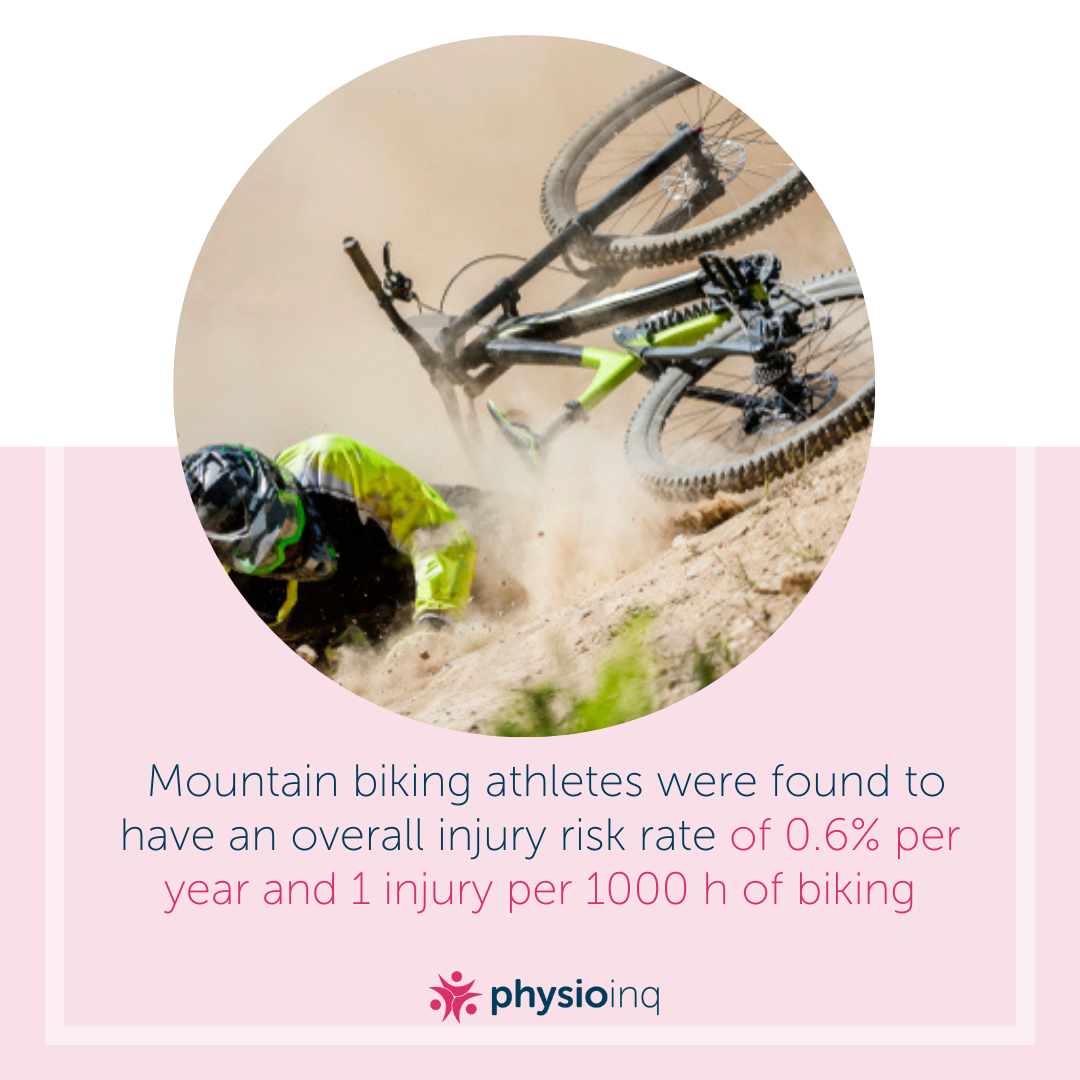
Injury rates in mountain biking have grown over the past decade. More people take up the sport, increasing the total number of injuries.
Yet, injury severity has slightly decreased. Better gear and trail design help reduce severe accidents.
Use of protective equipment, such as helmets and pads, has risen sharply. This shift lowers head and joint injuries. Awareness and training programs also play a role in safer riding habits.

- LAUNCH D30 KNEE GUARDS: The Launch D3O Knee Guards offer an excellent combination of impact-absorbing protection with a value-focused build
- D30: The CE certified D3O insert works seamlessly with the slip-on design to provide all-day comfort and confidence
- Order one size up. Guard runs small and should fit snug
- NONSLIP: Slip-on fit with hook and loop adjuster
- STAY DRY AND COOL: The moisture-wicking, open mesh design improves airflow and helps to reduce overheating hot rides
Last update on 2026-10-23 / Affiliate links / Images from Amazon Product Advertising API
Frequently Asked Questions
What Is The Most Common Injury In Mountain Biking?
The most common injury in mountain biking is a wrist fracture. Riders often fall forward, using their hands to break the fall, which can cause wrist fractures. Protective gear can help reduce the risk of this injury.
How Can I Prevent Injuries While Mountain Biking?
Wearing protective gear like helmets, gloves, and wrist guards helps prevent injuries. Also, practice proper riding techniques and stay within your skill level. Regular bike maintenance reduces accident risks.
Why Are Wrist Injuries Frequent In Mountain Biking?
Wrist injuries are frequent because riders instinctively extend their hands during falls. This action absorbs impact but can lead to fractures or sprains. Strengthening wrist muscles and wearing guards can reduce the risk of injury.
What Are The Signs Of A Wrist Injury In Mountain Biking?
Signs include pain, swelling, bruising, and limited wrist movement after a fall. Immediate rest and ice can help. Seek medical attention if symptoms persist or worsen.
Our Conclusion
Wrist and hand injuries are the most common in mountain biking. Falls cause many of these injuries. Wearing protective gear helps reduce risks.
Practicing safe riding techniques matters a lot. Know your limits and choose trails wisely. Staying alert can prevent many accidents.
Mountain biking is fun, but it requires constant awareness.
Enjoy the ride while staying safe and healthy.




2 Comments